


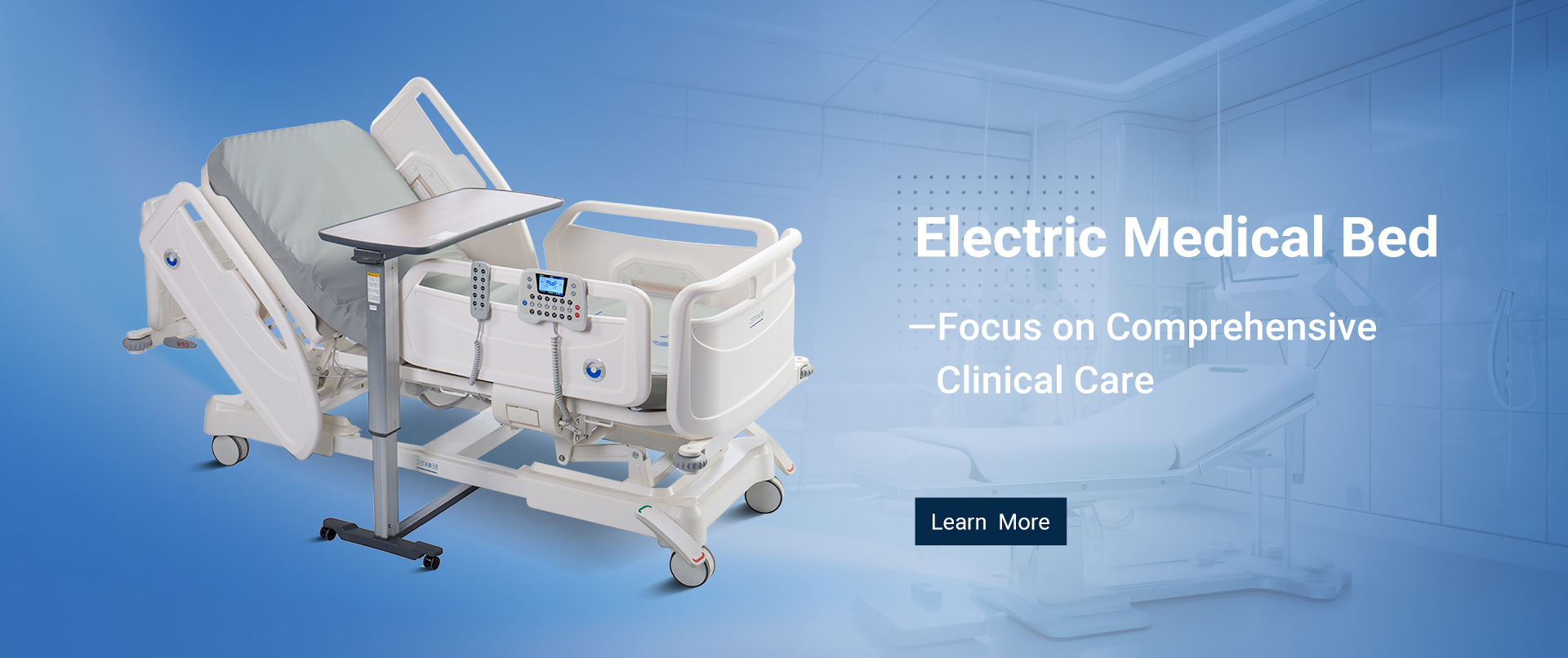
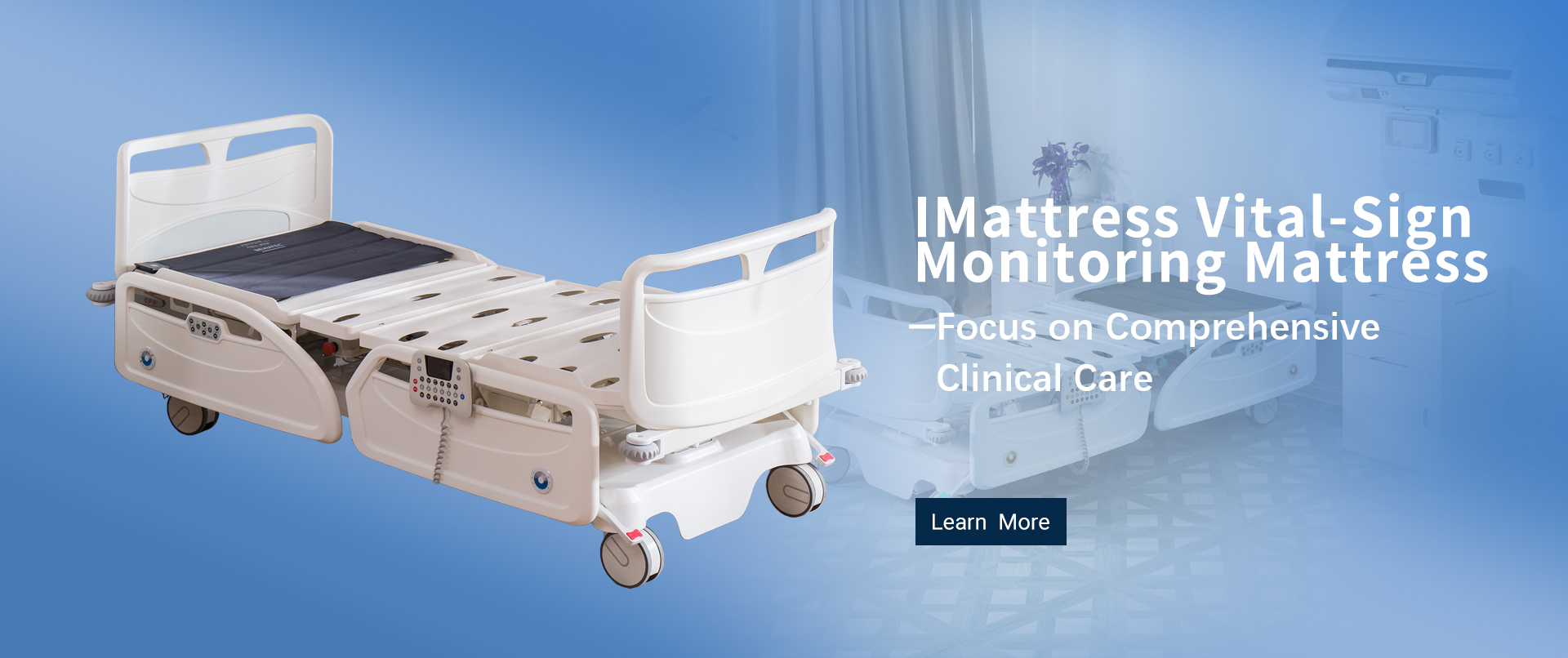

Lately, we’ve been seeing a real uptick in the demand for manual hospital beds. It’s mainly because of aging populations and a growing focus on making patients more comfortable. According to a report from Grand View Research, the market for these manual beds is expected to hit around $3.04 billion by 2026 — that’s a pretty big jump! It definitely shows how much more people are starting to see the importance of mobility and ease of use when it comes to medical equipment.
Big names like Hill-Rom and Stryker are really emphasizing the need for manual beds, and they’re designing them to suit a variety of needs — both for healthcare providers and patients. Even with all the tech advances, though, some manual beds still come with their own set of challenges, like being a bit heavy or having limited adjustability. Those issues often catch the eye of users who are on the hunt for beds that really work best.
When buyers around the world are weighing their options, it’s super helpful to understand these little nuances. The market trends tell us that, while manual beds provide solid reliability, it’s worth considering some of their potential downsides. Doing a good bit of research on quality and features can help folks make smarter choices — choices that keep safety and comfort top priority in patient care.

Overview of Manual Beds: Definition and Benefits
Manual beds are an essential choice for many individuals seeking comfort and flexibility. These beds allow users to adjust their sleeping position manually, catering to various needs. The simplicity of manual beds is a significant advantage. They don’t depend on electricity, making them reliable for users in different settings.
One notable benefit of manual beds is their adaptability. People looking for specific angles can find relief from back pain or enhance their breathing. This is particularly helpful for those with respiratory issues. However, adjusting the bed can sometimes be physically demanding. Not everyone has the strength or mobility to adjust it easily. Additionally, the lack of powered features may deter those who favor technological advancements.
Manual beds often come with a variety of designs. They range from basic frames to more ornate structures, appealing to diverse tastes. This variety allows buyers to find something that fits their aesthetic. However, not all models are built with the same materials. Potential buyers should research the durability and quality to ensure a wise investment. Despite the convenience they offer, choosing the right manual bed requires careful consideration of individual needs and preferences.
2026 Best Manual Bed Options for Global Buyers Insights
| Model | Material | Weight Capacity | Adjustable Positions | Benefits |
|---|---|---|---|---|
| Model A | Steel Frame | 300 lbs | 3 Positions | Easy To Use, Durable |
| Model B | Wood Frame | 350 lbs | 2 Positions | Eco-friendly, Stylish |
| Model C | Aluminum | 400 lbs | 4 Positions | Lightweight, Versatile |
| Model D | Fiberglass | 280 lbs | 5 Positions | Affordable, Compact |
| Model E | Reinforced Plastic | 320 lbs | 3 Positions | Weather-resistant, Lightweight |

Enhancing Patient Safety and Comfort: Insights from Industry Reports on the Benefits of Three-Function Manual Beds with Six-Column Siderails
In the ever-evolving landscape of healthcare, patient safety and comfort are paramount. Recent industry reports highlight the critical role that three-function manual beds with six-column siderails play in enhancing both. These beds not only allow for practical functions and simple operations but also significantly improve the efficiency of medical care, ultimately safeguarding the clinical nursing process. For example, a study published by the Journal of Healthcare Management noted that hospitals utilizing advanced manual beds reported a 25% decrease in patient falls, an essential metric for maintaining safety standards in medical facilities.
Moreover, the ergonomic design of these beds facilitates easier patient handling and positioning, which is crucial for both patients and healthcare providers. Reports indicate that nursing staff experience 15% less physical strain when utilizing such beds, leading to reduced workplace injuries, higher job satisfaction, and improved patient interactions. This alignment of comfort for patients and ease of use for healthcare workers makes three-function manual beds with six-column siderails a pivotal asset in modern healthcare settings.
Investing in these beds not only aligns with the goals of enhancing patient safety but also fosters a more efficient and effective nursing environment. Data from healthcare performance reports clearly illustrate that when the tools of care evolve to prioritize both patient comfort and staff efficiency, the overall quality of care significantly improves. As the industry continues to innovate, integrating such solutions will be vital for enhancing healthcare outcomes.

FAQS
: Adjustability is key for comfort and improved sleep quality.
Test various manual controls to find a comfortable position that suits you.
High-quality materials, such as high-density foam, provide better durability and support over time.
Ensure the bed fits the room size and allows unobstructed pathways for movement.
Reviews can highlight the importance of height adjustment and prevent strain during use.
Yes, customizability and eco-friendly materials are increasingly preferred by consumers.
Some beds may lack essential adjustments, resulting in discomfort during long-term use.
Some models may promise advanced features but fail to deliver comfort consistently.
Storage options enhance usability, reflecting a trend toward multifunctionality in design.
Balancing eco-friendly materials with affordable options is a significant challenge for buyers.
Conclusion
Manual beds offer a versatile sleeping solution that is particularly valued for their adaptability and affordability. These beds are designed to provide comfort and support through adjustable features, catering to different sleep preferences and health needs. When choosing a manual bed, factors such as adjustability, construction quality, and user reviews play a crucial role, ensuring that buyers select a bed that meets their specific requirements.
In recent years, global trends in manual bed design have focused on innovative functionalities and ergonomic benefits. As consumers increasingly seek personalized sleep experiences, the market has seen an influx of designs that prioritize comfort and ease of use. Investing in a manual bed not only enhances sleep quality but can also improve overall well-being, making it a worthwhile consideration for global buyers.
Related Posts
-

2025 How to Choose the Best Manual Bed for Your Comfort Needs
-

2025 Top 10 Electric Beds: Ultimate Comfort and Innovation for Your Sleep
-

How to Choose an Electric Bed for Better Sleep?
-

Transform Your Sleep Experience: The Ultimate Guide to Manual Beds for Better Rest
-

Why Choose a Manual Bed for Your Home Care Needs?
-

Choosing the Right Medical Bed: A Comprehensive Guide to Enhancing Patient Comfort and Care


